
Is an East Facing Garden Good?
- Oliver Burgess

- Mar 24
- 5 min read
Yes, an east facing garden can be a very good garden to have. For many homeowners, it offers one of the most balanced conditions of all. You get gentle morning sun, a brighter start to the day, and more shade later on when the afternoon heat builds.
That makes east facing gardens especially appealing if you enjoy breakfast outside, want a garden that feels fresh rather than harshly exposed, or prefer planting schemes that do not bake in full afternoon sun. It may not suit every lifestyle or every plant, but in design terms, an east facing garden gives you plenty to work with.
How Much Sun Does an East Facing Garden Get?
An east facing garden gets its main direct sunlight in the morning. As the sun rises in the east, the garden brightens early, then becomes more shaded as the day moves on and the sun shifts south and west.
In practical terms, that usually means a cooler, softer garden in the afternoon and evening compared with a south or west facing space. The exact amount of sun will always depend on the season, nearby trees, boundary walls and surrounding buildings, but the overall pattern stays the same: brighter mornings, gentler afternoons.
Benefits of an East Facing Garden
One of the biggest advantages is comfort. Morning light can feel uplifting and warm without making the space uncomfortably hot later in the day. In summer, that can make an east facing garden easier to enjoy for longer, especially if you like sitting out earlier in the day or want a space that stays calmer and cooler.
It can also be a very good orientation for planting. Many plants prefer bright conditions without the stress of intense afternoon sun, so an east facing garden often supports a softer, more layered planting style. If you enjoy a garden that feels lush, fresh and balanced rather than dry and exposed, this aspect can work beautifully.
There is also a design advantage. East facing gardens lend themselves well to morning terraces, dining spaces, thoughtful zoning and planting that catches the first light. That can make the garden feel inviting from the moment the day begins.
Challenges of an East Facing Garden
The main downside is that you do not get the long, hot afternoon and evening sun that some homeowners want. If your ideal outdoor space is one where you can sunbathe late into the day or host evening drinks in full sunshine, a west or south facing garden may suit you better.
Plant choice also needs some thought. While many plants thrive in east facing conditions, those that need full, all-day sun may not perform at their best. Heat-loving Mediterranean planting, for example, can be harder to pull off unless parts of the garden are especially open and sheltered.
In smaller urban gardens, surrounding fences, neighbouring buildings or mature planting can increase shade even further. So while east facing is often a strong starting point, the actual layout and light levels still matter.

Is an East Facing Garden Good for Plants?
Yes, very often. An east facing garden can be excellent for plants that enjoy morning sun and some protection from the hottest part of the day. That includes many cottage garden favourites, woodland-edge plants and species that prefer moist, balanced conditions over dry heat.
This orientation can also help reduce stress on more delicate planting. Flowers and foliage are less likely to scorch, and the garden can hold a fresher look through warmer months. If you like texture, layered greenery and a softer planting palette, an east facing garden can be especially rewarding.
That said, it is always worth designing around the actual microclimates in the space. Even in one east facing garden, you may have sunnier corners, shaded boundaries and sheltered pockets that all suit different plants.
Best Plants for an East Facing Garden
Many east facing gardens suit plants that enjoy sun early in the day and a little protection later on. Hydrangeas, hellebores, foxgloves, astrantias, Japanese anemones, heucheras, ferns, hostas and astilbes can all work well in the right setting. Camellias and rhododendrons may also suit an east facing position, particularly where the soil and shelter are right.
For structure, evergreen shrubs and carefully placed small trees can help create depth without making the garden feel heavy. For seasonal interest, bulbs and flowering perennials often perform beautifully when they catch the softer morning light.
If you want edible planting, an east facing garden can still work, but crop choice matters. Leafy herbs, salad crops and some soft fruit can do well, while more sun-hungry vegetables may prefer the brightest parts of the plot.
East Facing Garden Design Ideas
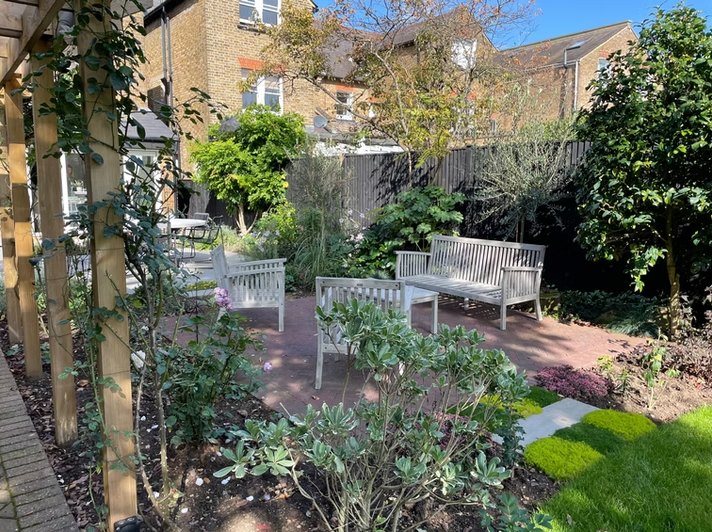
The best east facing garden designs work with the light, rather than fighting it. A breakfast terrace or morning seating area is an obvious win, especially close to the house where the early sun is most enjoyable. This can turn the garden into part of your daily routine rather than a space you only use occasionally.
Layered planting is another strong approach. Because the light is gentler, an east facing garden often suits softer combinations of foliage, flowering perennials and wildlife-friendly planting. This can create a garden that feels calm, natural and rich in detail.
It also helps to think about how the space will feel later in the day. If afternoons are more shaded, that can be perfect for a cooler seating area, a reflective water feature, or a quieter retreat planted with textures and scent. A good design makes the most of both the bright beginning and the calmer second half of the day.

Is an East Facing Garden Better Than South or West Facing?
Not better in every case, just different.
A south facing garden is often the first choice for homeowners who want the maximum amount of sun. A west facing garden tends to be popular for late-day warmth and evening light. But east facing gardens have their own strengths, especially for people who want softer conditions, less harsh heat and planting that looks fresh throughout the day.
So the better question is not which direction is “best” in general, but which direction is best for the way you want to live. If you value calm morning light, balanced growing conditions and a garden that feels comfortable rather than exposed, east facing can be a very good orientation indeed.
How to Make an East Facing Garden Work Better
Good design can make a big difference. Hard landscaping, seating positions, screening and planting layout all affect how the light is experienced. A well-placed patio can capture the morning sun. Carefully chosen materials can brighten shaded areas. The right planting can soften darker edges and create year-round interest even where sunlight is more limited.
This is also where bespoke design matters. Rather than treating orientation as a limitation, a strong garden design will use it as the foundation for a layout that fits your home, your routine and the atmosphere you want to create.


Comments